


Hundreds of thousands of sandhill cranes are returning to central Nebraska this spring, drawing visitors from across the country to witness one of the largest wildlife migrations in the world. Each year, the cranes stop in the Big Bend region of the Platte River near Kearney during their migration north.
Mary Harner, a professor in the Department of Communication, said the region plays a crucial role for the birds as they travel along the Central Flyway.
“An 80 to 90 mile stretch of the Platte River known as the Big Bend Region provides important habitat for migratory birds,” Harner said. “Sandhill cranes, the most abundant species of crane in the world, and whooping cranes, the rarest crane species, stop along the Platte River during their annual migrations.”
The river’s shallow channels and exposed sandbars give cranes a safe place to roost at night, while nearby agricultural fields provide food during the day.
“By day, the cranes feed on grains, such as corn spilled during the fall harvest season,” Harner said. “They also use wet meadows and grasslands near the river to meet other needs, such as acquiring nutrients and resting.”
About 80% of the sandhill crane population stops near Kearney. During their time here, they rely on the Platte River for resting, food and protection. These areas are protected by conservation groups along the river, including the Rowe Sanctuary near Kearney.
The cranes stay for a short period of time but rely heavily on the resources offered near Kearney.
“They’re here for maybe two to four weeks,” said Marcos Stoltzfus, center director of the Rowe Sanctuary. “During that time, they’re looking for a safe place to roost overnight and food to build up energy before continuing their migration.”
Conservation organizations along the Platte River work together to maintain the habitat the cranes depend on, including managing sandbars and surrounding grasslands to keep the landscape suitable for the birds.
“If we didn’t do some of the work that we did, the cranes wouldn’t use the river in the same way,” Stoltzfus said. “They like wide, open areas without trees where they can see predators approaching.”
The migration season also brings thousands of visitors to central Nebraska who travel from across the United States and other countries to view the cranes from observation blinds along the river.
“We’ll have around 20,000 people come through in about five or six weeks,” Stoltzfus said. “It’s not uncommon for us to have visitors from all 50 states and several countries.”
Jacob Cooper, an ornithologist and professor at UNK, said the concentration of cranes in Nebraska is unusual compared with other places in North America.
“The vast majority of migrating sandhill cranes pass through Nebraska,” Cooper said. “You can see them in other places, but here they gather in such massive numbers along the Platte River.”
While cranes are common for many local residents, Cooper said the migration is considered a bucket-list wildlife event for birdwatchers.
“I think sometimes people who live here get used to it,” Cooper said. “But this is one of the great migrations on Earth, and it’s something pretty special that we get to experience.”
Harner encourages residents to take a moment to appreciate the birds while they are in the area.
“If you are in the presence of cranes, pause for a few moments to observe and listen to these species that are part of our community for a few weeks each year,” Harner said.
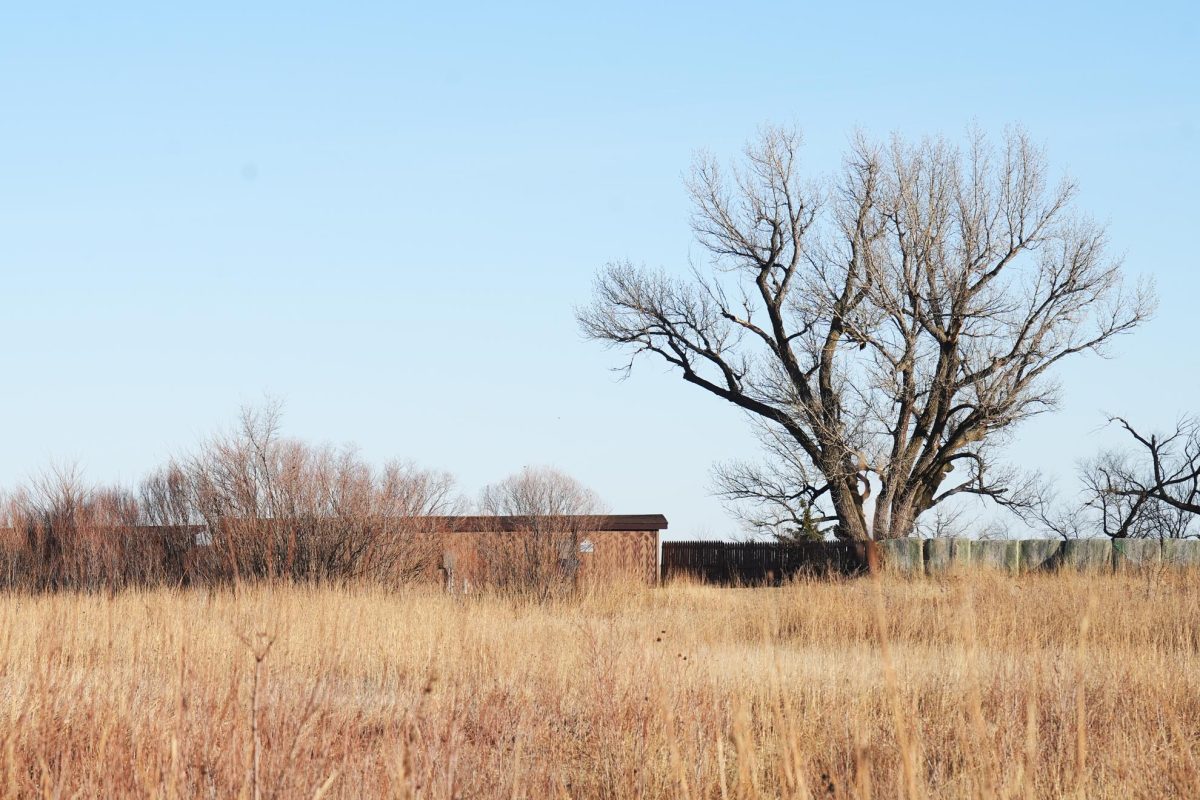
Photos by Jenju Peters / Antelope Staff